Free delivery on orders over £35
|
Beautiful Nails, Beautiful Savings
|
Fresh nail designs every week!
|
|
Free delivery on orders over £35
|
Beautiful Nails, Beautiful Savings
|
Fresh nail designs every week!
|
|
Choose what you are happy for us to use. Essential cookies keep the shop working, so they stay on.
Needed to run the shop: your basket, secure checkout, your login, fraud prevention and remembering this cookie choice. These cannot be switched off.
Remembers how you like the site to look and behave — recently viewed shades, your wishlist and display settings. Nothing here is based on your interests or used for advertising.
On by default for this purpose. Switch it off and we will stop.
Helps us count visits and see which pages and products people struggle with, so we can improve the shop. We use Google Analytics for this.
Lets us show you our ads on Google, Meta and other sites, and measure whether those ads led to an order. This involves sharing data with those companies.
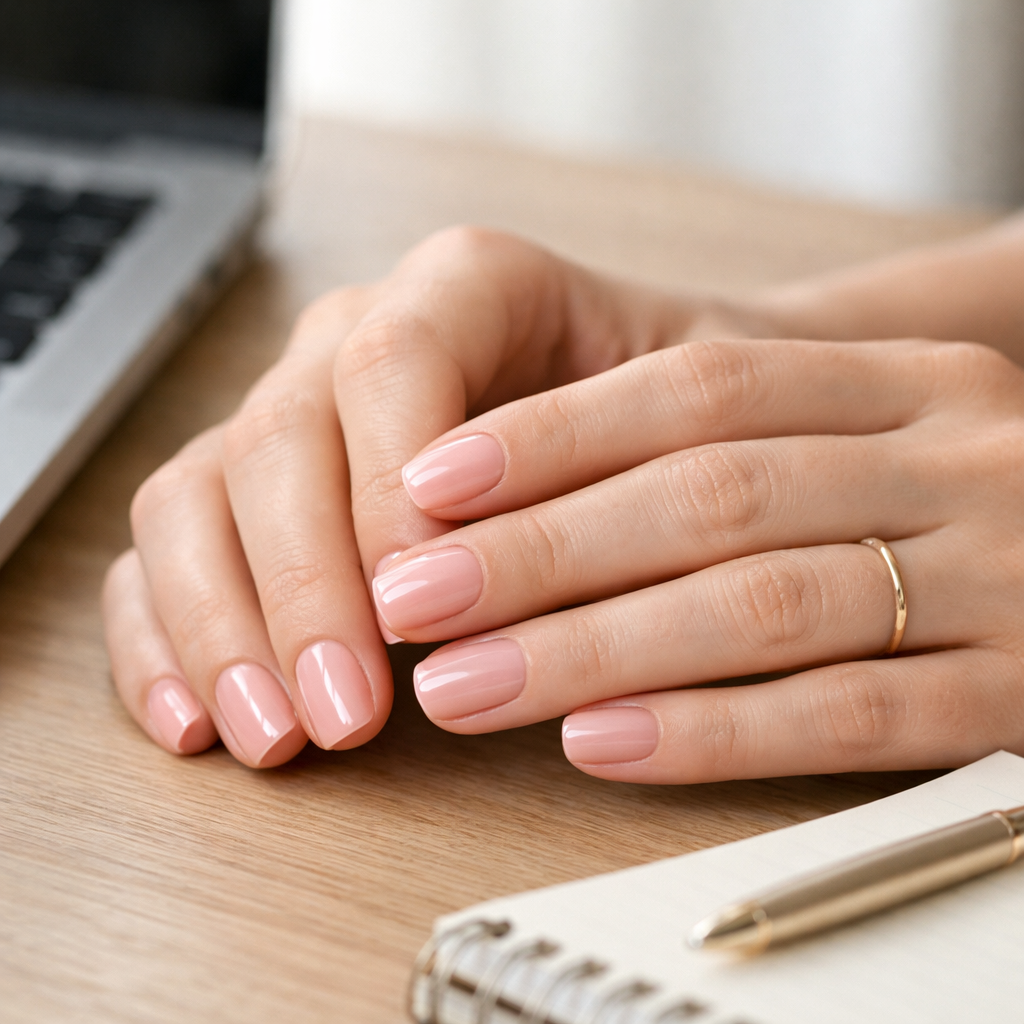
If you have ever removed a gel manicure and found your nails feeling thin, bendy or rough, you are not imagining it. The question “are gel nails bad for your nails UK” usually comes down to how the gel is applied and removed, plus whether you are dealing with salon hard gel, gel polish, or gentler alternatives like semi-cured gel strips.
Want a gel look without the salon-level filing? Browse our semi-cured gel nail strips for an at-home finish that cures under LED and removes without drilling. If you are new, the Velvora Gel Nail Strips Starter Kit is the easiest way to get set up.
Gel nails can be bad for your natural nails if they are applied or removed aggressively, especially if your nail plate is over-filed, the product is peeled off, or acetone is used without aftercare. In our experience, most “gel damage” is not from the gel itself, but from the prep and removal process.
Here is what we see most often in the UK (from both salon clients and at-home users): nails feel thinner because the top layer has been filed down, not because the nail has “died”. Nails can also look chalky after acetone because the nail surface is dehydrated.
The biggest causes of gel nail damage are mechanical, not chemical. That means buffing, scraping, peeling and over-curing do more harm than the gel sitting on your nail.
A little shine removal is fine, but deep filing removes keratin layers that your nail needs for strength. One thing we hear from customers time and again is that their nails were fine with gel until they started “really roughing them up” to improve adhesion.
Peeling removes layers of your natural nail along with the product. If you only take one tip from this guide, make it this: never peel, even if a corner lifts.
If you soak off gel polish, it must be fully softened before you nudge it away. Scraping a partly softened layer is like sanding your nail with a blunt tool.
Under-curing can leave product softer, more prone to lifting, and more tempting to pick at. Over-curing can make the coating harder and removal more forceful. Velvora’s approach is to keep curing simple and consistent using a dedicated lamp; if you need help, see our UV/LED lamp guide.
Most post-gel nail issues are temporary and improve with gentle care, but your next steps matter. If your nails are sore, splitting, or peeling in layers, take a break from harsh removals and focus on hydration and protection.
If you notice ongoing pain, swelling, or a nail lifting from the nail bed, do not self-treat. The NHS guidance on nail problems is a sensible place to start, and a pharmacist or GP can advise if anything looks infected.
Semi-cured gel strips are often gentler because you can get a gel finish with minimal prep and no drilling. That said, any product can cause issues if it is picked off or applied over oily nails and then constantly lifted.
| Factor | Gel polish (typical) | Semi-cured gel strips (Velvora) |
|---|---|---|
| Prep | Often involves buffing for adhesion | Light prep, focus on clean, dry nails |
| Cure | UV/LED cure per coat | One cure after application |
| Removal | Soak off, then gently push product away | Lift slowly with oil and patience, no drilling |
| Common damage trigger | Scraping or peeling during removal | Picking at lifted edges instead of resealing |
| Wear time | Often 10 to 14 days | Up to 2 weeks with good prep and aftercare |
After testing across hundreds of nail shapes and sizes, we find most first-time users get a clean, glossy finish within about 10 minutes once they understand sizing and curing. If you want to build your set, a bundle like Mix & Match Trio (3 Strips) is a good way to try a few styles without overthinking it.
You prevent gel damage by keeping prep gentle, curing properly, and removing slowly with oil or acetone as appropriate. The routine below is what we use and teach inside the Velvora community.
Need a step-by-step for strips? Follow how to apply gel nail strips for a smooth, UK-friendly process.
Choose a strip that fits sidewall to sidewall without touching skin. If it overlaps your cuticle or sidewalls, it will lift sooner and you will be tempted to pick. Each Velvora set includes 20 strips in multiple sizes, so most people can find a close match for every nail.
Fully cured gel is stronger and less likely to snag. If you are using a lamp, keep your hand flat and cure for the recommended time. If you are investing in a set-up, browse UV LED lamps designed for at-home gel routines.
For a no-fuss daily option, the Coconut Cuticle Oil Pen is a customer favourite for handbag top-ups.
Ready to put this into practice? Browse the latest sets and shop now. Gel strips start from around £10 per set, and you get free UK delivery on orders over £35.
The safest removal is slow removal. Whether you are removing gel polish or semi-cured gel strips, the goal is the same: soften the bond, then lift gently without scraping your nail.
We walk through the full technique in our blog: how to remove gel nail strips safely at home.
HEMA-free gel products reduce the risk of allergy for many people, especially those who have had redness, itching, or sensitivity around the nail area. They are not a free pass to be careless with curing or application, but they are a smart choice if you want to lower avoidable risks.
Velvora gel strips are HEMA-free, 14-Free, vegan and cruelty-free, and they are designed to be fully UK/EU compliant. If you want to see our safety approach and ingredient standards, read product safety and ingredients.
For additional context on vegan and cruelty-free standards, the Vegan Society is a helpful reference point for what “vegan” means in beauty.
Velvora is built for people who want salon-looking nails at home, without the stress. Our semi-cured gel strips are made in certified facilities and cut with Japanese blade technology for clean edges and consistent sizing.
If you love having fresh nails on rotation, you can also keep your stash topped up with a subscription box. Many regulars choose the 2x Gel Strips Box Monthly Subscription so they always have a new set ready for events, holidays, and those “my nails look a bit sad” moments.
They can be if you over-buff, under-cure, or peel them off. At-home gel is usually fine when you keep prep light, cure fully under an LED lamp, and remove slowly with oil (for gel strips) or proper soak-off (for gel polish).
Permanent damage is uncommon. Most issues people call “damage” are thinning from filing or peeling layers from forceful removal, which usually grow out over time. If you have ongoing pain, lifting, or discolouration, seek medical advice.
Over-filed nails often feel hot or tender during prep, look patchy or uneven, and bend more than usual. The surface may appear matte and rough in places. Keep nails short, oil daily, and avoid more buffing until strength returns.
They can be gentler for many people because they need minimal buffing and do not require drilling for removal. The key is correct sizing, full curing, and slow removal with oil so you are not peeling layers of your natural nail.
HEMA is a common ingredient used in some gel systems that can trigger skin sensitivity in some people, especially with repeated exposure or under-curing. Choosing HEMA-free products helps reduce allergy risk, but you still need proper curing and careful application to keep product off the skin.
A 1 to 2 week break helps many people, especially if you focus on oiling daily and keeping nails shorter. If you still want a polished look, choose a gentler option and avoid harsh removals. If weakness is severe or painful, take a longer break and check in with a professional.
Gel nails are not automatically damaging, but your technique decides the outcome. Treat your nail plate gently, cure properly, and remove with patience. That is how you keep your natural nails looking strong while still enjoying glossy, long-wearing colour.
If you want a kinder gel routine, explore Velvora’s semi-cured sets and accessories, and find a style you will actually enjoy wearing. Browse the full range and shop now.

No account yet?
Create an Account