Free delivery on orders over £35
|
Beautiful Nails, Beautiful Savings
|
Fresh nail designs every week!
|
|
Free delivery on orders over £35
|
Beautiful Nails, Beautiful Savings
|
Fresh nail designs every week!
|
|
Choose what you are happy for us to use. Essential cookies keep the shop working, so they stay on.
Needed to run the shop: your basket, secure checkout, your login, fraud prevention and remembering this cookie choice. These cannot be switched off.
Remembers how you like the site to look and behave — recently viewed shades, your wishlist and display settings. Nothing here is based on your interests or used for advertising.
On by default for this purpose. Switch it off and we will stop.
Helps us count visits and see which pages and products people struggle with, so we can improve the shop. We use Google Analytics for this.
Lets us show you our ads on Google, Meta and other sites, and measure whether those ads led to an order. This involves sharing data with those companies.
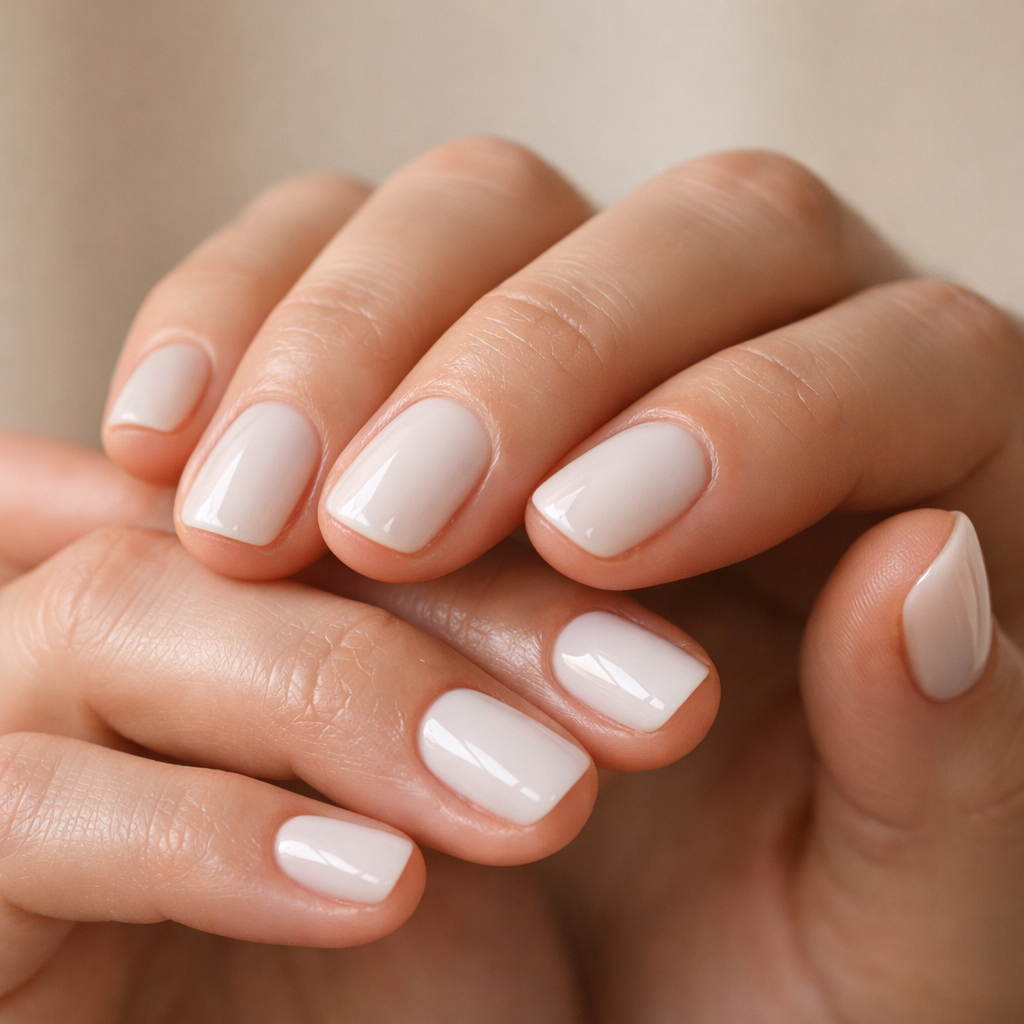
If you’ve been searching for a way to stop biting nails gel strips are one of the most practical “hands-on” tools we’ve tried—because they add a smooth, durable layer that makes biting less satisfying and gives you a visual reason to stop. They won’t fix stress overnight, but in our experience they can buy you the critical first 7–14 days while your nails start to look (and feel) worth protecting.
Want the quickest start? Choose a set of semi-cured gel nail strips, cure properly with a lamp, then keep a cuticle oil pen within reach. If you’re ready to begin, shop now and set yourself up for a calmer, cleaner nail routine.
Yes—gel strips can help reduce nail biting by adding a firmer surface and a smoother edge that’s harder to nibble, while also making you more aware of your hands. They’re not a medical treatment for anxiety, but they’re a strong behavioural support.
After testing Velvora strips on chronic biters in our community (including people who bite without noticing), the biggest change is usually tactile: teeth don’t “catch” the nail edge in the same way, so the habit loop gets interrupted. The second change is visual: when your nails look put-together, you’re more likely to protect them.
Semi-cured gel nail strips are a partially cured gel formula that hardens fully under UV/LED light. That curing step matters: it creates a more rigid, sealed finish than standard polish, which can chip and create tempting edges to pick at.
Velvora strips are also 14-Free and HEMA-Free, which is helpful if you’re trying to keep your routine gentler while you break the biting cycle. (If you’re sensitive, always patch test and follow safe use guidance.)
Nail biting is hard to stop because it’s often automatic—your brain uses it as quick regulation for stress, boredom, focus, or even perfectionism. Gel strips help by removing the “reward” (a rough edge to fix) and adding a pause point.
One thing we hear from customers time and again is: “I didn’t realise how often my hands went to my mouth until my nails looked nice.” That awareness is gold. It’s the moment you can swap the behaviour.
Gel strips change the action (harder to bite) and weaken the reward (less edge, less “fixing”). But you’ll progress faster if you also change the trigger environment (keep nails oiled; keep a fidget nearby; set a “hands busy” rule during TV).
The best way to use gel strips to stop biting is to apply them on a clean, dry nail, cure fully, and seal the edges so there’s nothing to pick. Done well, most first-time users get a salon-quality finish within 10 minutes.
If sizing is where you usually go wrong, our nail sizing guide makes it much easier—especially for shorter, bitten nails.
Full curing helps the strip harden and resist dents from teeth. If you’re using a lamp for the first time, follow a proper cure routine with a dedicated guide and avoid under-curing.
For a simple set-up, the Velvora Gel Nail Strips Starter Kit is designed for beginners and includes the essentials to get a clean cure and finish.
Daily cuticle oil makes nails and surrounding skin less ragged, which removes “temptation points”. Keep something easy on your desk or in your bag—our customers love pen formats for this exact reason.
Try the Vanilla Cuticle Oil Pen for a quick swipe after hand washing, or before bed.
Gel strips tend to work better than basic polish for nail biting because they’re harder, smoother, and less likely to chip into biteable edges. They’re also more comfortable than many press-ons for day-to-day typing.
| Option | How it helps biting | Typical issues | Best for |
|---|---|---|---|
| Semi-cured gel nail strips | Hard barrier + smooth edge; cured finish reduces picking | Needs correct sizing and curing to prevent lifting | Habit interruption + longer wear (up to 2 weeks) |
| Traditional nail polish | Visual reminder; can deter some people | Chips quickly; creates edges to pick/bite | Very short-term deterrent |
| Bitter tasting products | Adds immediate negative feedback | Many people bite through it; can transfer to food/lips | Conscious biters who respond to taste cues |
| Press-on nails | Physical barrier; strong visual cue | Can pop off; thickness can feel odd; risk of catching edges | Events, occasional wear |
| Habit tools (fidget, gum, stress ball) | Replaces hand-to-mouth action | Easy to forget without a plan | Addressing the trigger itself |
If your main issue is chipping and re-biting, gel strips usually give the cleanest runway. Browse finishes that minimise visible regrowth and distract you from “imperfect” edges, like French tip gel nail strips.
The most common relapse triggers are lifting at the edges, dry cuticles, and applying strips on nails that still have oil or moisture. Fix those, and your “urge moments” tend to drop quickly.
If the strip overlaps skin, it’s more likely to lift—and lifted corners are basically an invitation to pick. Size down and centre it; nobody can see a 0.5 mm gap, but you’ll feel a lifted edge instantly.
We’ve tested this a lot: the difference between “I forgot I bite” and “I picked it off on day three” is often just the tip being sealed properly. File in one direction, then lightly cap the edge.
Hangnails create the “I’ll just fix this bit” spiral. Add an oil habit. If you like a fruity option for daytime, the Strawberry Cuticle Oil Pen is an easy, pocket-friendly reminder.
Under-cured gel can feel slightly flexible, which makes it easier to dent and start picking. If you’re unsure about lamp use, our UV/LED lamp guide explains timing and technique in plain English.
Once your routine feels solid, shop now for a few sets so you’re not tempted to “go bare” between changes.
When the urge hits, the fastest way to stop biting is to switch to a pre-planned replacement action within 10 seconds. Gel strips buy you time; your toolkit keeps you consistent.
If nail biting is linked to anxiety, support matters. The NHS has practical guidance on managing anxiety and stress that can sit behind body-focused habits: NHS advice on anxiety.
Velvora is a strong option for nail biters because our semi-cured gel strips are designed for a smooth, sealed finish, and our formulas are made to be kinder to nails while you rebuild healthy habits.
If you want to review our safety approach, ingredients, and compliance details, see product safety and ingredients information. Velvora exists to make at-home nails feel straightforward, not intimidating.
Yes, gel strips can help by creating a tougher, smoother barrier that’s harder to bite and less likely to leave tempting rough edges. They work best when you also keep nails oiled and plan a simple replacement habit for stress moments.
Applied and removed correctly, gel nail strips are generally a gentle option. Damage usually comes from picking them off or scraping aggressively. If you’re prone to picking, take removal slowly and keep the nail plate hydrated with cuticle oil.
With good prep and a full cure, many people get up to 2 weeks of wear. If you bite heavily at first, you may get less—aim for progress, not perfection, and reapply to keep the protective barrier consistent.
For beginners and biters, French tips and subtle patterns can disguise short length and early regrowth, which reduces the urge to “fix” imperfections. If you pick at edges, avoid very thick texture and focus on a smooth, sealed finish.
Velvora products are vegan, cruelty-free, 14-Free, HEMA-Free, pregnancy safe, and UK/EU compliant (CPNP registered and REACH certified). Always follow usage instructions, cure properly, and discontinue if irritation occurs.
Use cuticle oil daily, keep a nail file nearby for quick snags, and choose a simple replacement action (fidget, pen, gum) for your top triggers like TV or commuting. If anxiety is driving the habit, consider support strategies from reputable health guidance.
Ready to give your nails a proper chance to grow? Browse Velvora’s solid colour gel nail strips for a clean, confidence-boosting start, then keep oil in reach and stick with it for two weeks. When you’re set, shop now and start building a nail routine you’ll actually enjoy.
External trust note: For more on cruelty-free standards and what they mean, see Leaping Bunny’s cruelty-free programme.

No account yet?
Create an Account