Free delivery on orders over £35
|
Beautiful Nails, Beautiful Savings
|
Fresh nail designs every week!
|
|
Free delivery on orders over £35
|
Beautiful Nails, Beautiful Savings
|
Fresh nail designs every week!
|
|
Choose what you are happy for us to use. Essential cookies keep the shop working, so they stay on.
Needed to run the shop: your basket, secure checkout, your login, fraud prevention and remembering this cookie choice. These cannot be switched off.
Remembers how you like the site to look and behave — recently viewed shades, your wishlist and display settings. Nothing here is based on your interests or used for advertising.
On by default for this purpose. Switch it off and we will stop.
Helps us count visits and see which pages and products people struggle with, so we can improve the shop. We use Google Analytics for this.
Lets us show you our ads on Google, Meta and other sites, and measure whether those ads led to an order. This involves sharing data with those companies.
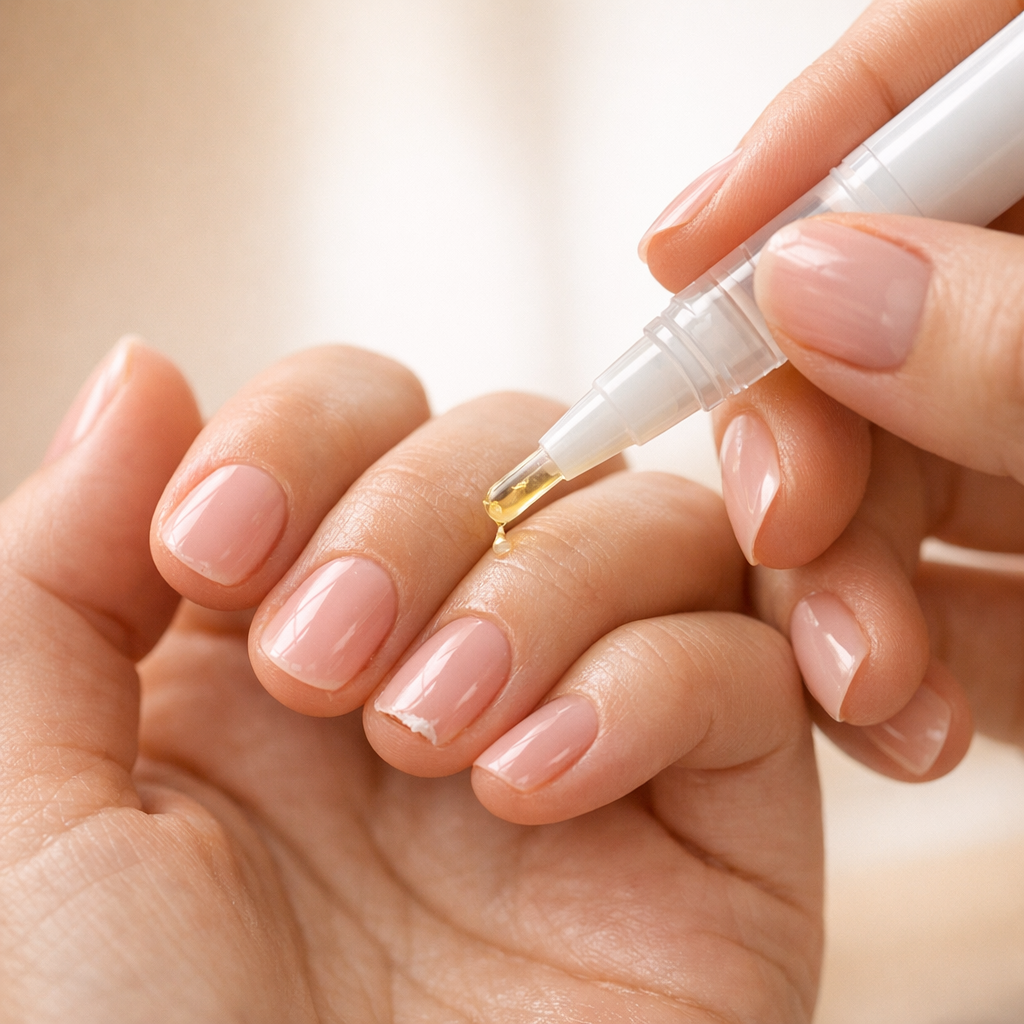
If you’re Googling why do nails keep breaking, you’re not alone — and you’re not “just bad at nails”. In our experience, most breakage comes down to a few repeatable patterns: dryness, tiny day-to-day trauma, product removal habits, and the way your nails are shaped and filed.
If you want a protective manicure while you’re rebuilding strength, browse Velvora’s semi-cured gel nail strips (from £10 per set) and shop now — free UK delivery over £35.
Nails keep breaking when the nail plate is either too dry and brittle or too soft and bendy — and most people have a bit of both, depending on the day. The result is splits, peeling, snagging and sudden breaks at the sidewalls.
One thing we hear from customers time and again is that their nails feel “thin” after a rough removal — but with a gentler routine and consistent oiling, they often see a noticeable difference within a few weeks.
Where and how your nail breaks is a clue to the cause. Match the pattern first, then fix the habit behind it.
This usually points to dehydration + abrasion. Think repeated wet-dry cycles, buffing, or using nails as tools. Focus on oiling and sealing the free edge (more on that below).
Side splits are commonly caused by snagging (hair, pockets, bedding) and sharp corners. A small shape change (soft square or rounded) can prevent 80% of these in our experience.
Breaks closer to the nail bed can happen when nails are overly flexible (waterlogged) or when you’ve had previous lifting from product removal. Keep nails slightly shorter while they grow out and avoid soaking for long periods.
Ridges are common and often harmless, but if you’re seeing ongoing splitting plus changes in colour or pain, it’s worth checking in with a pharmacist or GP. The NHS has a useful overview of nail changes and when to seek help: NHS guidance on brittle nails.
The fastest improvement comes from changing a few daily behaviours that repeatedly weaken the nail plate. You don’t need a 12-step routine — you need consistency.
Cuticle oil doesn’t just “make them look nice”; it reduces brittleness by improving flexibility and helps stop peeling at the tips. We recommend oiling after washing hands and before bed.
Two community favourites are the Vanilla Cuticle Oil Pen (soft, cosy scent) and the Watermelon Cuticle Oil Pen (fresh and sweet).
Use a fine grit file and file in one direction (or in gentle, controlled strokes). Aggressive back-and-forth filing can create micro-cracks that later turn into splits.
Nails can absorb water and swell, then contract as they dry. That expansion-contraction cycle weakens layers over time. Wear gloves for washing-up, and avoid long soaks unless you’re removing product.
Peeling off product can lift the top layers of the nail plate (those layers are what you’re trying to keep!). If you’re wearing semi-cured gel strips, remove them properly — Velvora has a step-by-step guide here: how to remove gel nail strips safely.
If your nails keep breaking, a protective layer can help while you grow out damage — but the method matters. Below is a practical comparison based on what we see most often with at-home users.
| Method | Best for | Typical wear | Breakage risk factors |
|---|---|---|---|
| Semi-cured gel nail strips | Protection + shine with less mess | Up to 2 weeks | Mostly from poor prep or picking; avoid over-curing |
| Traditional nail polish | Quick colour changes | 2–7 days | Chipping can tempt picking; frequent remover can dry nails |
| Salon hard gel/acrylic | Extra length and strength | 2–4 weeks | Risk if over-filed; removal can thin nails if rushed |
| Press-ons | Occasion wear | 1–10 days | Pop-offs can pull the nail; glue removal can be drying |
Velvora’s semi-cured gel strips are 100% vegan, cruelty-free, 14-Free, HEMA-Free, pregnancy safe, and fully UK/EU compliant (CPNP registered, REACH certified). They’re made in certified facilities using Japanese blade technology, and each set includes 20 strips in multiple sizes to fit real nails.
If you’re rebuilding, start with simpler shades that make growth look tidy even when your free edge is short — have a look at solid colour gel nail strips. When you’re ready, browse the full collection and pick a set that suits your routine.
You can absolutely wear gel strips while your nails are prone to breaking — the key is prep + correct curing + aftercare. When customers struggle, it’s usually one of these steps.
For a full walkthrough, follow: how to apply gel nail strips.
Semi-cured gel contains partially polymerised gel. The UV/LED lamp finishes curing (polymerisation) so the strip becomes hard-wearing. If you over-cure repeatedly, some people find the finish feels a bit too rigid on very bendy nails.
After application and after handwashing, run a tiny amount of oil along the cuticle and the free edge. This helps reduce brittleness and stops the tips catching.
Most nail breakage is lifestyle-related, but persistent brittle nails can sometimes be linked to nutrition, hormones, skin conditions, or medications. If you’ve had sudden changes, pain, inflammation, or dark streaks, get medical advice.
If you want to read more about how Velvora approaches ingredients and compliance, see: product safety and ingredients.
Velvora is built for people who want salon-looking nails without the salon stress. Our semi-cured gel strips are made in certified facilities (including ISO9001) and are UK/EU compliant (CPNP registered and REACH certified). They’re also vegan, cruelty-free, 14-Free and HEMA-Free — which matters if you’re trying to simplify your routine and avoid unnecessary irritants.
After testing across hundreds of nail shapes and sizes, we’ve found most first-time users get a clean, glossy finish in about 10 minutes once they’ve done it once or twice. Add in UK-based support, free UK delivery over £35, and a 30-day satisfaction policy, and it’s a genuinely easy way to keep nails protected while they grow.
Ready to rebuild and still have pretty nails in the meantime? find your perfect shade and start fresh.
Short nails can still break if the nail plate is dehydrated, peeling, or repeatedly stressed by water, cleaning products, and daily friction (typing, gym equipment). Focus on twice-daily cuticle oil, gloves for washing-up, and gentle filing to remove snaggable corners.
It’s often not the product itself, but over-filing during prep or rushed removal that thins the nail plate. Let damage grow out, keep nails modestly short, oil consistently, and avoid peeling anything off. If you use gel strips, remove them gently rather than lifting.
The fastest visible improvement usually comes from reducing wet-dry cycles (wear gloves), using cuticle oil twice daily, and switching to a gentle file and shape. A protective manicure can help while you rebuild, but only if you remove it properly.
They can. Semi-cured gel strips add a protective layer that reduces snagging and tip wear, which can help you grow length. The key is correct prep, proper curing, and safe removal (never picking or peeling).
On weak nails, wear time varies, but many people still get up to 2 weeks with good prep and careful aftercare. If your nails are very bendy, keeping them slightly shorter and oiling daily helps reduce lifting at the edges.
Seek advice if breakage is sudden and severe, comes with pain, swelling, skin rash, or major colour changes, or if you notice dark streaks. Persistent brittleness can sometimes link to health or nutrient issues, so it’s worth checking if home care changes don’t help.
Related reading: If you’re wearing gel strips while rebuilding strength, you may also like how to remove gel nail strips safely at home and cuticle care 101.
Whenever you’re ready, shop now for beginner-friendly sets, oils and essentials — and remember, orders over £35 qualify for free UK delivery.

No account yet?
Create an Account