
Blog · 7 August 2025 · Updated 12 October 2026
Are Semi-Cured Gel Nail Strips Safe? Everything You Need to Know
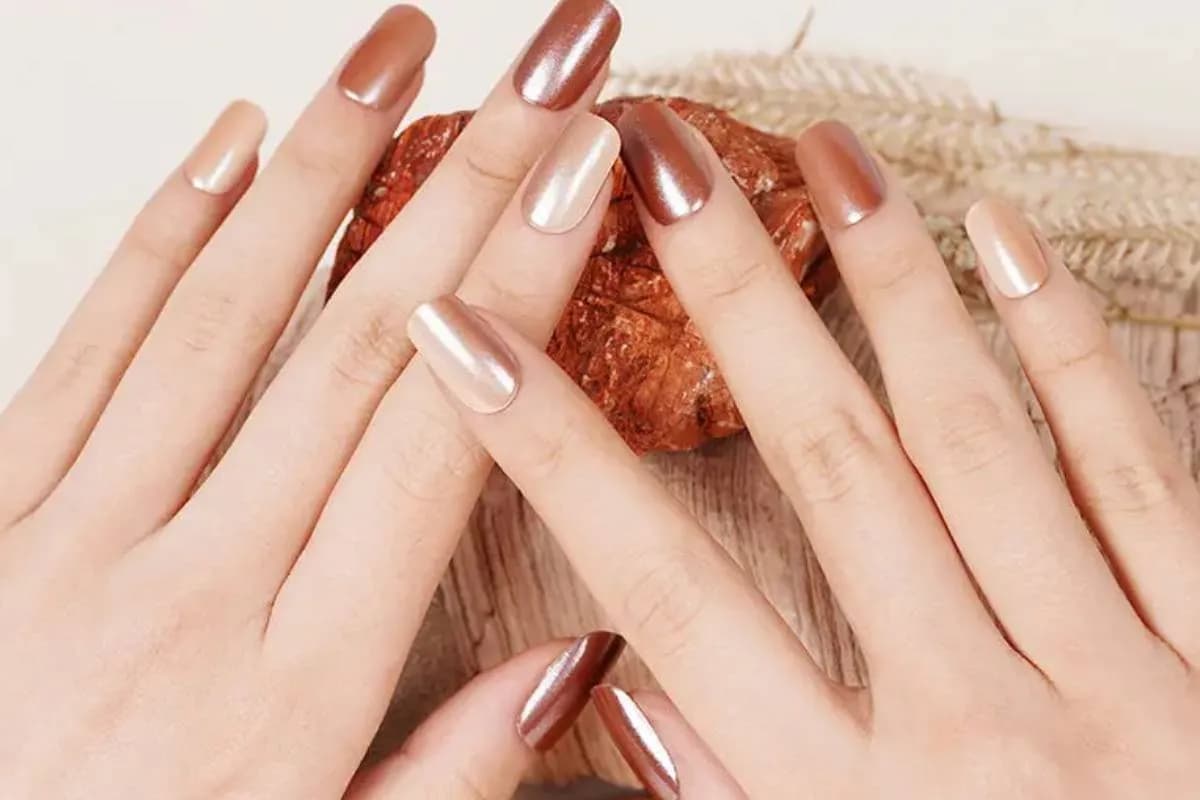
Semi-cured gel nail strips are a sensible, low-fuss option for most people when they're applied, cured and removed as directed. Like any gel product they aren't risk free: the main things to watch are allergic reactions if uncured gel touches your skin, brief UV exposure from the lamp, and nail damage from peeling strips off dry.
They've become one of the most popular ways to do gel nails at home in the UK, so it's fair to ask whether they're actually safe for your nails. This guide covers what they are, where the real risks lie, and the simple habits that keep your natural nails in good shape.
What Are Semi-Cured Gel Nail Strips?
Semi-cured gel nail strips are real gel polish that has been cured to around 80 per cent in production and shaped into flexible strips. You apply them to clean nails, then finish the cure under a UV or LED lamp for 60 seconds per hand. Once cured, they harden into a glossy gel manicure that lasts up to 14 days on fingernails.
You get the look and durability of gel without painting layers, waiting for coats to dry, or booking an appointment.
Are Gel Nail Strips Safe?
For most people, yes, when they're used as directed. No nail product suits everyone, though, so it helps to know where the risks actually are.
The first is allergy. Gel products contain acrylates, and repeated contact between uncured gel and skin is the main way people become sensitised. Velvora gel strips are HEMA free and TPO free, as well as vegan and cruelty-free. HEMA is one of the best-known causes of gel nail allergies, so leaving it out removes a common trigger, but it doesn't mean nobody can ever react. Keeping the strip off your skin and curing it fully both help. You can read more on our product safety and ingredients page.
If the skin around your nails becomes itchy, red, swollen or blistered, remove the strips gently, stop using gel products and speak to a pharmacist or GP. Our guide to allergic reactions to gel nails explains what to look out for.
The second is removal. Most nail damage blamed on gel actually comes from how it's taken off, which is why gel strips are designed to come off gently without acetone or scraping.
Do Gel Nail Strips Damage Natural Nails?
Poor application or removal of any nail product can damage nails, and gel strips are no exception. Used as instructed, though, they avoid several of the usual causes:
- There's no drilling and no heavy filing of the nail plate
- They come off with a few drops of cuticle oil and a wooden stick, not an acetone soak
- The strip is flexible before curing, so it moulds to your nail rather than being forced onto it
- You control the prep yourself, so you can be as gentle as your nails need
The one habit to avoid is peeling strips off dry. That can lift thin layers of your natural nail with the gel. If your nails are already weak, thin or damaged, be extra gentle with prep and removal, and give them a break if they feel sore or bendy.
What About UV Exposure?
Gel strips need a quick final cure under a UV or LED lamp to harden: 60 seconds per hand, with thumbs done separately and an extra 15 to 30 seconds for very dark or glittery shades. That exposure is brief, but it is still UV light, so it's worth being sensible rather than dismissing it.
If you're concerned, wear fingerless gloves or apply SPF to your hands before curing. If you notice a skin reaction, or you take medicine or have a condition that makes your skin sensitive to light, check with a pharmacist or GP first. Our guide are UV nail lamps safe? goes into more detail.
How to Use Gel Nail Strips Safely
To keep your nails and skin happy, follow these simple steps:
- Start with clean, dry nails and gently pushed-back cuticles
- Choose a strip slightly narrower than your nail so the gel doesn't touch skin
- Don't over-stretch the strip or over-file your natural nail
- Cure fully: 60 seconds per hand, thumbs separately
- To remove, apply a few drops of cuticle oil round the edges, wait, then lift with a wooden stick and peel slowly. Never peel off dry
- Give your nails a few days between sets if they feel dry or tender
Are Semi-Cured Gel Nail Strips Better Than Traditional Gels?
For many people they're a gentler, quicker alternative: no acetone soak, no drill, and you decide how much prep your nails get. A careful salon technician can be just as kind to your nails, and with either option most problems come down to rough prep or rushed removal.
They're also easier on your budget. A set of Velvora gel strips is £11.99, compared with a typical £25 to £45 for a UK salon gel manicure.
Final Thoughts
So, are gel nail strips safe? For most people, used as directed, they're a practical and gentle way to wear gel at home. Keep the gel off your skin, cure it properly, take your time with removal, and stop and get advice if your skin reacts.
If you'd like to try them, explore our gel nail strips collection or start with the Velvora Starter Kit, which includes two sets of your choice, a cuticle oil pen and our mini UV/LED lamp.
Common questions
Can I still be allergic to HEMA-free gel nail strips?
Yes, it's possible. HEMA free means one of the best-known allergens has been left out, but gel still contains other acrylates. Keep the strip off your skin, cure fully, and if you notice itching, redness or swelling, remove the strips and speak to a pharmacist or GP.
Do I need acetone to remove gel nail strips?
No. Apply a few drops of cuticle oil round the edges, wait for it to work in, then lift gently with a wooden stick and peel. Never peel them off dry.
Is it OK to wear gel nail strips back to back?
Many people do, as long as removal is gentle and the nails underneath look and feel healthy. If your nails feel thin, dry or sore, give them a few days off with daily cuticle oil before your next set.
Like our nail guides?
Add Velvora as a preferred sourceGoogle shows preferred sources more often in Search, AI Overviews and AI Mode. It takes one tap and you can undo it any time in your Google settings.