
Blog · 14 September 2026
Why Manicures Lift in Cold Weather (And How to Stop It)
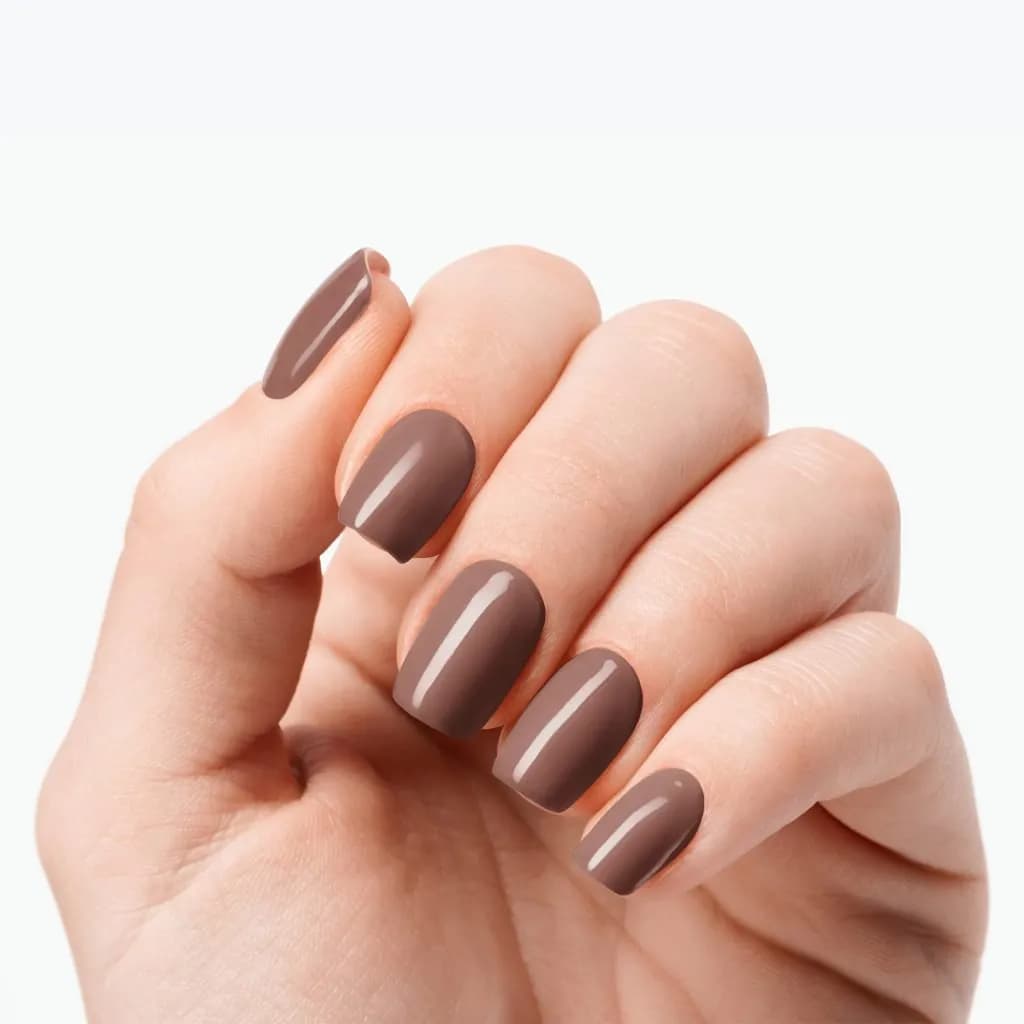
A familiar autumn complaint: the same sets that lasted the full fortnight through summer start lifting at the corners by day eight once the weather turns. Nothing has changed about the product. What has changed is the environment your hands live in, and once you know which parts matter the fixes are small and quick.
What actually causes winter lifting
Central heating. Indoor air from October onwards is dry, and a dry nail plate is a slightly shrunken, less flexible one. The nail moves a fraction relative to the cured layer sitting on it, and that movement concentrates at the edges, which is exactly where lifting starts.
More hand washing. Cold and flu season means more washing, and each wash is a soak-and-dry cycle that works at the sealed edge. This is the same mechanism behind peeling nails, and it is why the people whose manicures struggle most are the ones who wash their hands most, as we cover in strips for nurses and busy hands.
Temperature swings. Going from a freezing bus stop into a heated office repeatedly makes the nail and everything on it expand and contract. Once a corner has lifted even slightly, each cycle opens it a little further.
The three habits that fix it
Cuticle oil, daily, without fail. This is the whole game in winter. A conditioned nail stays flexible and its edges stay sealed, and it takes fifteen seconds. If you only do one thing from this article, do this one. The cuticle oil guide shows the technique, and the oil pens live in a coat pocket happily.
Gloves outdoors. Not just for comfort. Keeping hands out of cold, dry wind stops the moisture loss that starts the problem.
Gloves at the sink. The single highest-impact habit in any season, and more so in winter when washing up water tends to be hotter.
Apply differently in winter, too
Two adjustments worth making from October. Let your hands warm up before you apply: a strip pressed onto cold hands with a cold nail plate does not conform as closely, and the adhesive is stiffer. Ten minutes indoors first is enough. And be stricter about drying the nail completely after washing before you apply, because a nail that feels dry in a heated room can still be holding moisture at the edges. The application guide covers the rest, which does not change.
If a corner does lift
Catch it the same day and it is a thirty second fix rather than a lost nail: dry the nail thoroughly, press the edge back down and seal it as the edge sealing guide shows. What turns a lifted corner into a ruined set is picking at it, because that takes the top layer of your nail with it.
1. Sweet Caramel
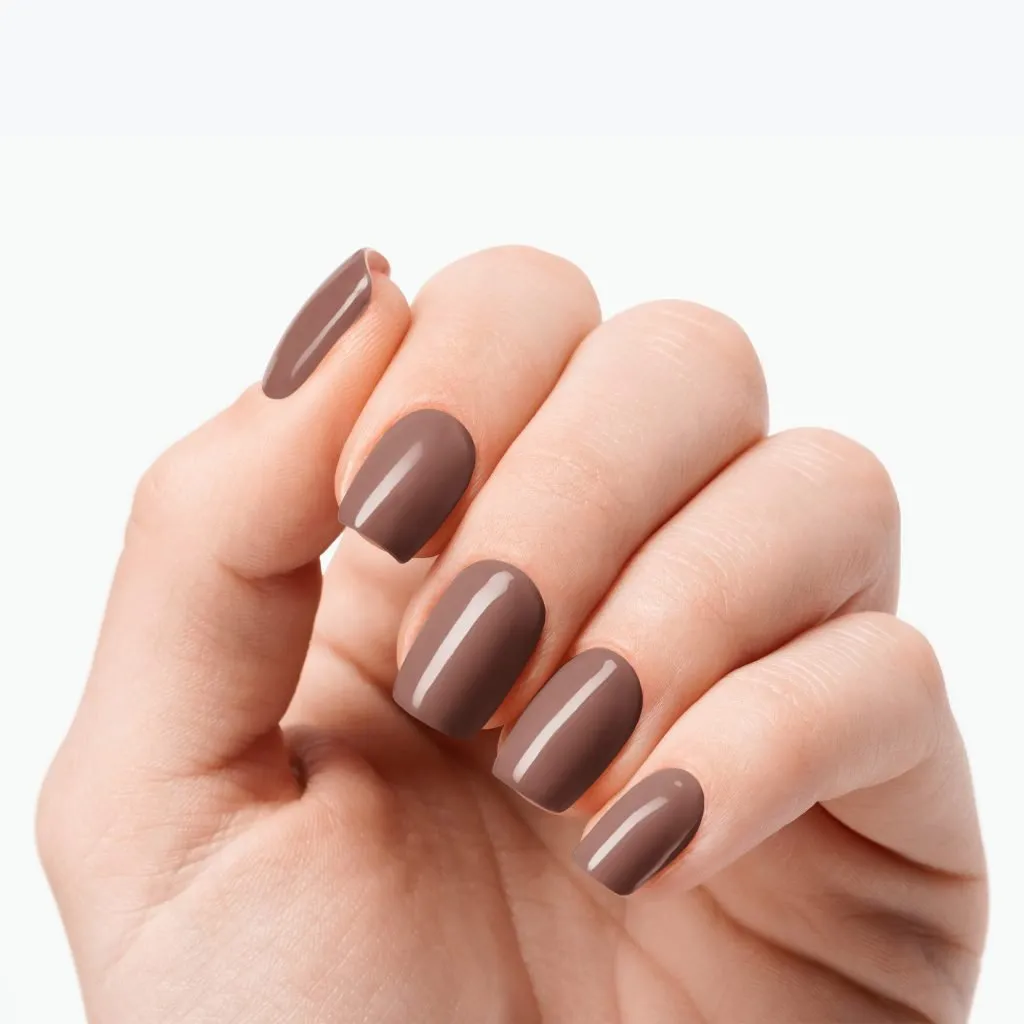
A warm caramel brown, from the colour family that gains the most ground in our own autumn order data. See Sweet Caramel.
2. Deep Merlot Burgundy
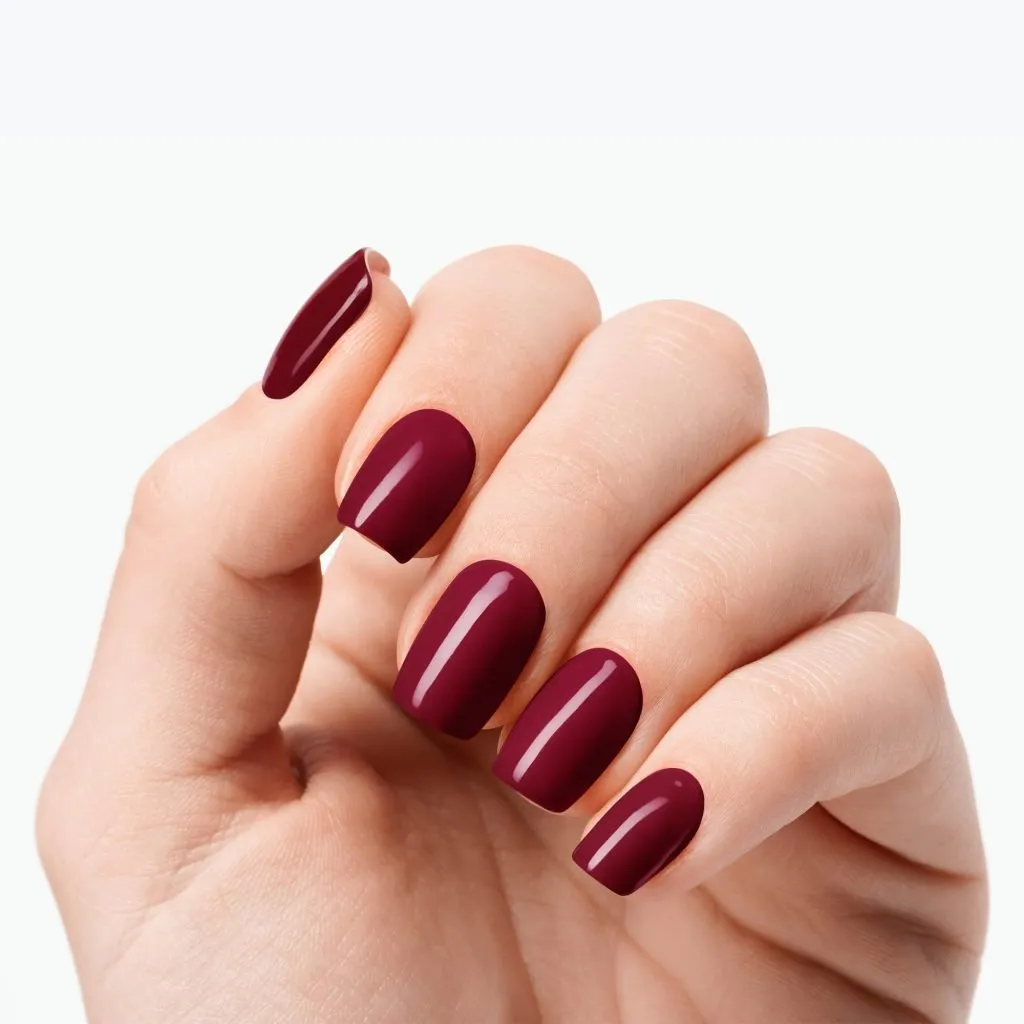
The deep red that carries the whole cold half of the year, and one of our two joint best sellers. See Deep Merlot Burgundy.
Quick answers
Why do my gel nails lift in winter?
Central heating dries the nail plate, cold and flu season means more hand washing, and moving between cold outdoors and heated indoors makes everything expand and contract. All three work at the sealed edge where lifting begins.
Does cold weather ruin gel nail strips?
No, but it shortens wear if nothing changes in your routine. Daily cuticle oil, gloves outdoors and gloves for washing up restore most of the wear time you had in summer.
Should I apply nail strips with cold hands?
Warm up indoors for about ten minutes first. A cold nail plate and stiff adhesive do not conform as closely, which leaves the edges more likely to lift later.
How do I stop my manicure lifting from hand washing?
Dry hands thoroughly rather than leaving them damp, run cuticle oil around the edges daily to keep them sealed, and wear gloves for washing up, which is hotter and longer than hand washing.
What should I do if a corner lifts?
Fix it the same day: dry the nail, press the edge back down and seal it. Do not pick at it, because picking removes the top layer of your natural nail along with the strip.
Velvora makes semi-cured gel nail strips, nail polish strips and nail care in the UK. Gel sets are £11.99 for 20 strips, formulated TPO and HEMA free, and orders over £35 ship free anywhere in the UK. Browse the gel nail strips collection or start with the beginner guide.
Related reading: the hot weather equivalent, the complete hand care routine and how to make gel nails last longer.
Like our nail guides?
Add Velvora as a preferred sourceGoogle shows preferred sources more often in Search, AI Overviews and AI Mode. It takes one tap and you can undo it any time in your Google settings.