
Blog · 4 September 2026
Peeling, Flaky Nails: Causes and Fixes That Actually Work
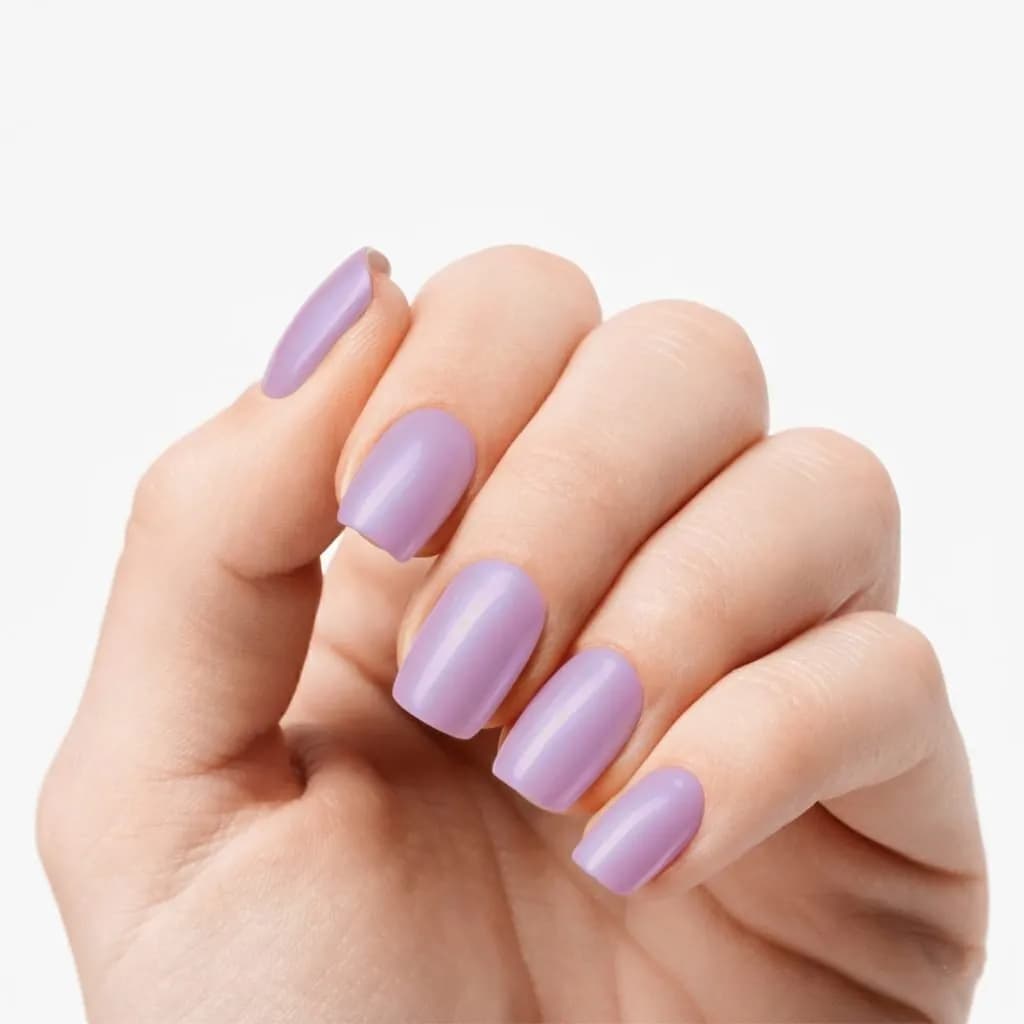
Peeling nails split at the tip into papery layers, catch on everything, and never seem to reach the length you want. The nail plate is built like plywood, in bonded layers, and peeling is those layers coming apart at the exposed edge. Almost always, the glue failing is about water and solvents, which is good news: both are habits you can change this week.
The two habits behind most peeling
Wet-dry cycling. Every soak swells the nail; every dry-out shrinks it. Dozens of cycles a day, from washing, cleaning and swimming, work the layers apart exactly like plywood left in the rain. Gloves at the sink are the single biggest fix. Harsh removal. Acetone strips the oils that bond the layers, and scraping or peeling off polish takes the top layer of nail with it, every time. If you wear colour, choose products that come off kindly: Velvora gel strips remove with cuticle oil and a gentle peel, no acetone and no scraping, and polish strips take a non-acetone remover.
The repair routine
Trim the peeling portion back so it cannot catch and tear deeper, then: cuticle oil rubbed into the edge daily, gloves for wet work, file in one direction only with a fine file, and keep the tips short while the damage grows out. A thin flexible layer of cured gel on top protects the healing edge from knocks and stops the compulsive picking that keeps peeling going; the strengthening guide covers the full protection logic.
An honest timeline
Peeling stops getting worse within a week or two of removing the causes, because the newly exposed edge is no longer being attacked. But the already-split portion cannot heal; it can only grow out and be trimmed away, which takes a couple of months for the damaged zone. Judge the routine at eight weeks.
Quick answers
Why do my nails peel in layers?
The nail plate is layered like plywood, and repeated wet-dry cycles plus solvent exposure unstick the layers at the tip. Washing up without gloves and acetone removal are the two most common causes.
What stops nails peeling fast?
Trim back the split portion, oil the edge daily, wear gloves for wet work and stop any scraping or acetone removal. The worsening stops within weeks; the damaged part still has to grow out.
Can I wear gel nail strips on peeling nails?
Once the loose flakes are trimmed, yes: the cured layer protects the edge from knocks and picking while new nail grows. The key is gentle removal afterwards, which is cuticle oil and a peel, never scraping.
Do peeling nails mean a vitamin deficiency?
Usually not: habits explain most peeling. Persistent peeling across all nails despite a kind routine is the version worth mentioning to a pharmacist or GP.
Velvora makes semi-cured gel nail strips, nail polish strips and nail care, tested on real nails in the UK. Sets are formulated TPO and HEMA free, and orders over £35 ship free anywhere in the UK. Start with the getting started guide or browse the gel nail strips collection.
Related reading: can nail strips damage your nails and the complete hand care routine.
Like our nail guides?
Add Velvora as a preferred sourceGoogle shows preferred sources more often in Search, AI Overviews and AI Mode. It takes one tap and you can undo it any time in your Google settings.