
Blog · 9 March 2026 · Updated 4 September 2026
Gel nail strips vs press-on nails: which lasts longer in 2026
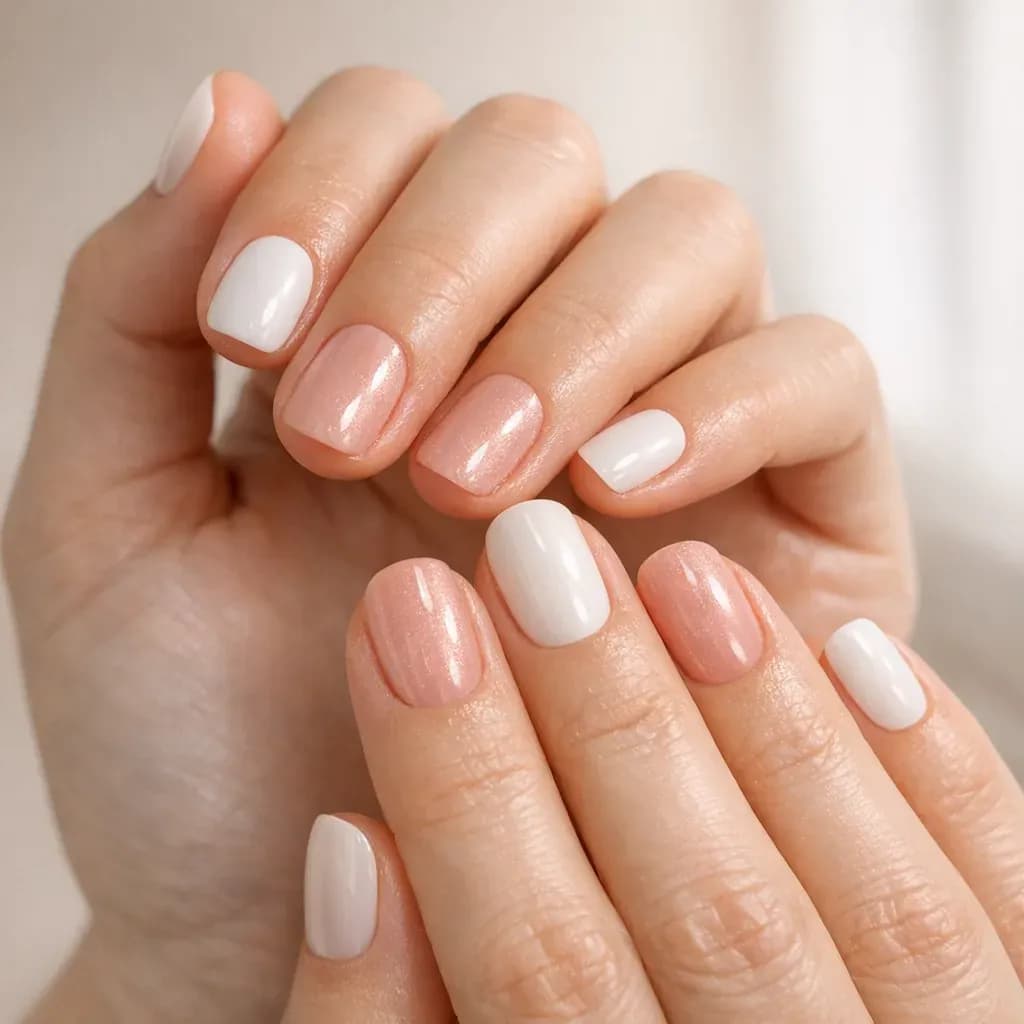
If you’re weighing up gel nail strips vs press-on nails: which lasts longer, the honest answer in 2026 is: gel strips usually win on wear time for day-to-day life, while press-ons can be brilliant for a quick weekend look (if you don’t mind the upkeep). We’ve tested both across work days, gym sessions, school runs, washing up, and British weather, and the difference often comes down to how they bond to your natural nail.
If you want the longer-wear option without a salon appointment, browse Velvora’s semi-cured gel nail strips and build your at-home routine, or shop now to see what’s new.
Gel nail strips vs press-on nails: which lasts longer (realistic wear times)
Gel nail strips usually last longer than press-on nails because they cure into a flexible gel layer that adheres across the whole nail plate, whereas press-ons rely on glue tabs or nail glue that can lift as it breaks down.
Here’s what we see most often across our team tests and customer feedback:
- Semi-cured gel nail strips: typically 10 to 14 days, and up to 2 weeks with good prep, careful sealing, and sensible aftercare.
- Press-on nails: typically 3 to 7 days with adhesive tabs; 5 to 10 days with nail glue (longer for some, shorter if you’re hard on your hands).
There are exceptions. If your natural nails are very oily, or you rush prep, gel strips can lift early. If you’re meticulous with press-on sizing and glue, you can get a surprisingly solid week. But for “set it and forget it” wear, gel strips are the more dependable choice.
Why gel nail strips tend to last longer than press-ons
Gel nail strips last longer because the semi-cured gel polymerises under UV/LED light, creating a durable, flexible coating that moves with your nail rather than sitting on top like a rigid tip.
1) The bond is different: cured gel layer vs glue layer
Press-ons are essentially a plastic nail glued onto your natural nail. That glue layer is the weak point: hot showers, hand sanitiser, washing up liquid, and natural nail oils can all compromise it. With gel strips, you’re curing a gel layer directly onto the nail surface, so there’s less “interface” to fail.
2) Flex matters in real life
One thing we hear from customers time and again is that press-ons feel amazing on day one, then a corner catches on hair, a jumper, or a handbag zip. Once a press-on edge lifts, water gets under it, and you’re in a cycle of re-gluing or replacing. Semi-cured gel strips flex more naturally, so you get fewer dramatic “snags”.
3) The British weather factor
Cold-to-warm changes (outdoor commute to heated offices) can make rigid press-ons pop sooner. Semi-cured gel tends to handle temperature swings better because it’s thinner and more flexible once cured.
Wear test results: what we’ve seen in everyday UK routines
In our experience, most first-time gel strip users get a salon-quality finish within 10 minutes per hand, and the wear improves massively by the second set once prep becomes habit.
| Scenario | Gel nail strips (semi-cured) | Press-on nails |
|---|---|---|
| Office work + texting | Typically 10 to 14 days | Typically 5 to 10 days |
| Gym + weights | Usually holds if edges are sealed | Lifting is common without perfect fit |
| Washing up (no gloves) | Can lift early if water gets under free edge | Glue can weaken; pop-offs common |
| Hair washing + styling | Less snagging when filed flush | Hair snagging can start lifting |
| Holiday / pool | Often strong with good cure and prep | Adhesive tabs struggle; glue varies |
Both options can look gorgeous. The question is how much “maintenance time” you want to spend keeping them on.
How to make gel nail strips last longer (Velvora-tested routine)
The longest wear comes from prep, proper curing, and sealing the edge: not from piling on extra products.
Prep that actually works
- Push back cuticles properly: any skin or residue on the nail plate can cause lifting.
- Remove surface oils: wash and dry hands, then avoid touching nails before applying.
- Size down if you’re between sizes: a strip that overlaps skin will lift faster.
Each Velvora set includes 20 strips in multiple sizes, which makes it easier to get a close fit on different nail shapes.
Cure like you mean it
If you under-cure, the strip can stay slightly soft at the edges. If you over-cure repeatedly without checking fit, you can end up sealing a poor placement in place. For most people, following a simple lamp routine is enough, and if you’re unsure, Velvora’s guide is clear and beginner-friendly: how to use a UV/LED lamp for gel strips.
For a reliable setup, pair strips with a dedicated lamp from the UV LED lamp collection.
The “file-down, then flash-cure” trick
After testing across hundreds of nail shapes and lengths, our most consistent longevity tip is:
- Apply the strip and press firmly around the cuticle and sidewalls.
- Flash-cure for a short burst to lock position.
- Trim and file in one direction until the edge is flush.
- Finish with a full cure to harden the free edge.
If you’re new, start with the Velvora Gel Nail Strips Starter Kit so you’ve got the essentials in one go.
Want to practise with easy-to-wear shades? Browse solid colour gel nail strips for clean, forgiving finishes.
When press-on nails can last longer (and when they won’t)
Press-on nails can last longer when the fit is perfect and you use strong glue: but they’re less predictable if you’re active with your hands.
Press-ons can be a great pick if…
- You want extra length or a specific shape for an event.
- You’re happy to reapply one nail if it pops off.
- You can avoid long water exposure for the first 2 to 3 hours after application.
Press-ons struggle most if…
- You’re doing lots of washing up, cleaning, childcare, or hair washing.
- Your nails are naturally flexible (a rigid press-on can lift as your nail bends).
- You’re between sizes and the press-on “rocks” slightly on the nail plate.
If your goal is longer wear with less fuss, gel strips are the calmer option. If your goal is dramatic length for a short window, press-ons still have a place.
If you’re aiming for long-wear that still feels light, you can browse the full Velvora collection and pick a set that suits your week.
Removal, nail health, and safety in 2026 (what matters most)
Both gel strips and press-ons can be gentle on nails if removed correctly, but both can cause damage if you pry, peel, or rush.
Gel strip removal: slow is fast
Semi-cured gel strips should be removed with patience so you don’t take surface layers of the nail with them. If you want a step-by-step, follow Velvora’s gel nail strip removal guide.
Press-on removal: avoid ripping and re-gluing repeatedly
Press-ons can tempt you into “quick fixes”, re-glue on the go, pop off again, repeat. That cycle can leave nails dehydrated and rough. Whatever you choose, a light aftercare routine helps.
Aftercare that keeps nails flexible
Our community of Velvora fans often shares the same tip: use cuticle oil daily, especially after removal. It improves flexibility and reduces that brittle, squeaky feeling.
For a quick, handbag-friendly option, try the Watermelon Cuticle Oil Pen.
For broader nail health guidance, the NHS overview on brittle nails and common causes is a useful reference if your nails are splitting or peeling often.
Why choose Velvora for longer-lasting at-home nails
Velvora gel nail strips are designed for long wear with a safer formula profile: they’re 100% vegan, cruelty-free, 14-Free, HEMA-Free, and fully UK/EU compliant (including CPNP registration and REACH compliance).
- Made in certified facilities: produced under recognised quality and compliance standards (including ISO9001, FDA, SGS and BSCI).
- Japanese blade technology: helps create clean, precise edges so strips sit neatly at the cuticle and sidewalls.
- UK-based brand and support: Velvora is operated by Digitaliced Ltd, with UK shipping and customer care.
- Pricing that makes sense: gel strips start from £10 per set, with free UK delivery over £35.
- Confidence to try: backed by a 14-day returns policy (because real life happens).
If you want to read more about how we approach compliance and ingredients, see product safety and ingredients.
Frequently Asked Questions
Do gel nail strips last longer than press-on nails?
Yes, in most real-life wear tests gel nail strips last longer. Semi-cured gel strips commonly wear for 10 to 14 days (up to 2 weeks with good prep), while press-on nails are typically 3 to 10 days depending on glue, fit, and lifestyle.
What makes gel nail strips last up to 2 weeks?
Longevity comes from proper nail prep (clean, dry nail plate), choosing the correct size (no overlap onto skin), firm pressing around edges, and curing thoroughly under a UV/LED lamp so the gel fully hardens and seals the free edge.
Are gel nail strips safer than press-on nails for natural nails?
Both can be gentle if removed correctly. Nail damage usually comes from peeling, prying, or repeated re-gluing. Velvora strips are HEMA-Free and 14-Free, and the best approach is always careful removal plus cuticle oil aftercare.
Can I wash up and shower with gel nail strips?
Yes. For best wear, avoid long hot-water exposure for the first few hours after application, and consider gloves for heavy washing up. The key is sealing the free edge during application so water has less chance to creep underneath.
Do I need a UV/LED lamp for semi-cured gel nail strips?
Yes. Semi-cured gel strips are designed to be hardened with UV/LED light so they polymerise and become durable. Using the correct lamp and curing for the recommended time is one of the biggest factors in how long they last.
What’s the best option for a last-minute event in 2026?
If you need instant length or a dramatic shape for one night, press-ons can be ideal. If you want a polished look that still feels natural and can carry you through the week after the event, semi-cured gel nail strips are usually the better bet.
Ready to pick your long-wear set? Find your perfect shade and build an at-home manicure that lasts through real life.
Like our nail guides?
Add Velvora as a preferred sourceGoogle shows preferred sources more often in Search, AI Overviews and AI Mode. It takes one tap and you can undo it any time in your Google settings.