
Blog · 23 September 2026
Menopause and Your Nails: Why They Change and What Actually Helps
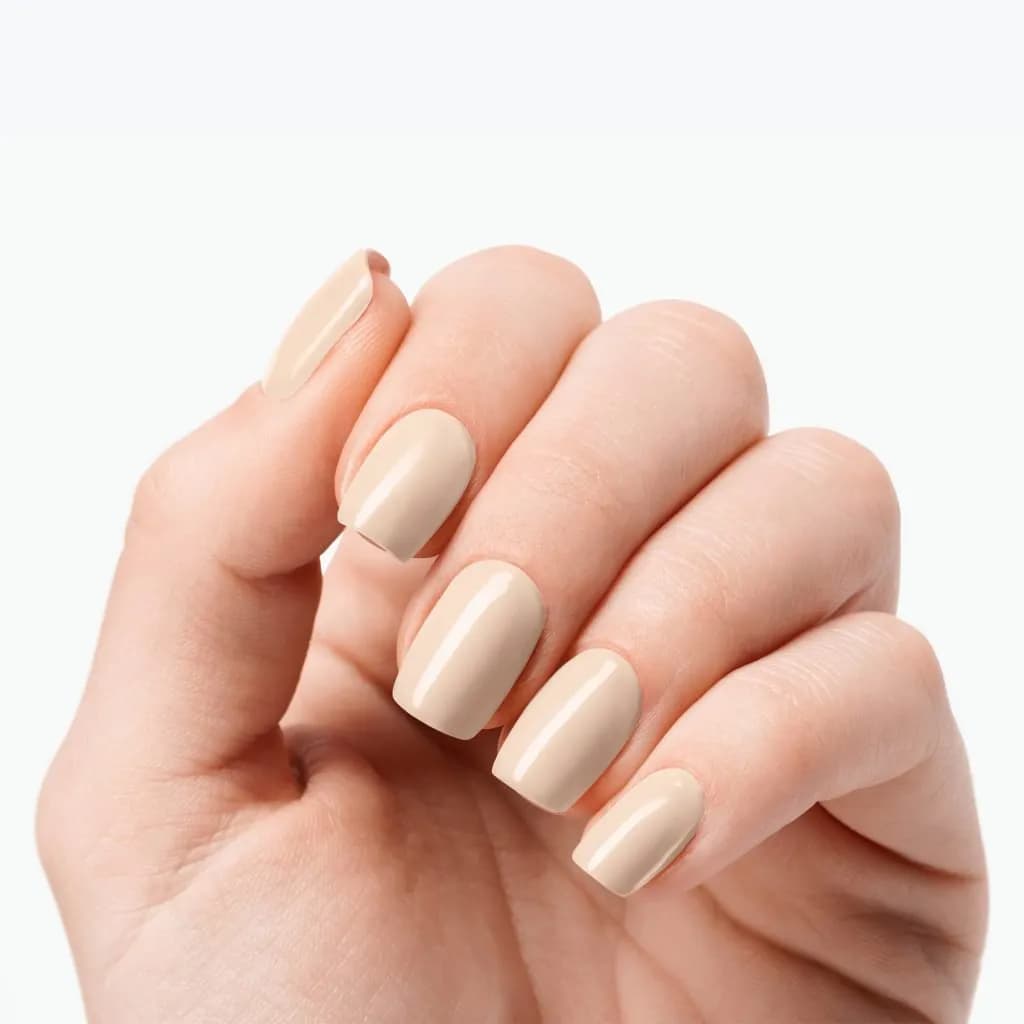
Nails that used to be strong start splitting, peeling in layers, or growing ridges they never had. For a lot of people this arrives in their forties or fifties, around the perimenopause and menopause, and it is rarely mentioned alongside the better known symptoms. It is common, it has an explanation, and there is quite a lot you can do about it.
Why nails change
Oestrogen plays a part in keeping skin and nails hydrated. As levels fall, many people notice their skin getting drier, and nails, which are made of the same kind of protein, often follow. Drier nails are less flexible, so instead of bending they split and peel, especially at the tips. Ridges running from the cuticle to the tip also tend to become more noticeable with age; what nail ridges mean covers which are normal and which are not.
It is also a stage of life when other things change at once, such as sleep, diet and medication, all of which can show in nails. That is part of why it is worth mentioning to a GP rather than assuming it is only hormonal.
What genuinely helps
Oil, every day. This is the single most useful habit. A drop of cuticle oil worked into the nail and the skin around it, ideally at night, puts back what dryness takes out. A pen by the bed gets used; a bottle in a drawer does not.
Gloves for wet work. Repeated soaking and drying is hard on nails at any age and harder on dry ones. Gloves for washing up and cleaning make a noticeable difference, and nails when your hands are in water all day explains why.
File, do not clip. Clippers crush the layers at the tip, which is exactly where brittle nails start to peel. A fine file, used in one direction, seals the edge instead.
Keep them a little shorter. A shorter nail has less leverage to snap and split. It is a small change that stops a lot of breakage.
Be gentle taking things off. How you remove a manicure matters more than what you put on. Picking or forcing lifts layers of nail with it. Oil and patience work far better, as in removing gel safely at home.
What to be sceptical of
Supplements for nails, biotin in particular, are marketed heavily at this age group. The evidence behind them is thinner than the marketing suggests, and biotin can interfere with some blood test results. It is worth asking a pharmacist before spending money, and telling your GP if you take it before any blood test.
Changes worth showing a GP
Most dry, peeling nails are just dry, peeling nails. But mention it to your GP if you notice any of the following, as nails can reflect other conditions:
- A dark streak running along the nail, especially if it is new or changing
- A nail lifting away from the skin underneath
- Nails curving upwards into a spoon shape, which can be linked to low iron
- Pitting, thickening, or a change in colour
- Pain, swelling or redness around the nail
- A sudden change rather than a gradual one
Wearing colour on nails that are struggling
You do not have to go bare while your nails are having a hard time, but gentleness is the rule. A soft, sheer shade makes a peeling or ridged nail look tidy without drawing attention to the texture, and removal done slowly with oil will not add to the damage.
1. Barely There (Nude)
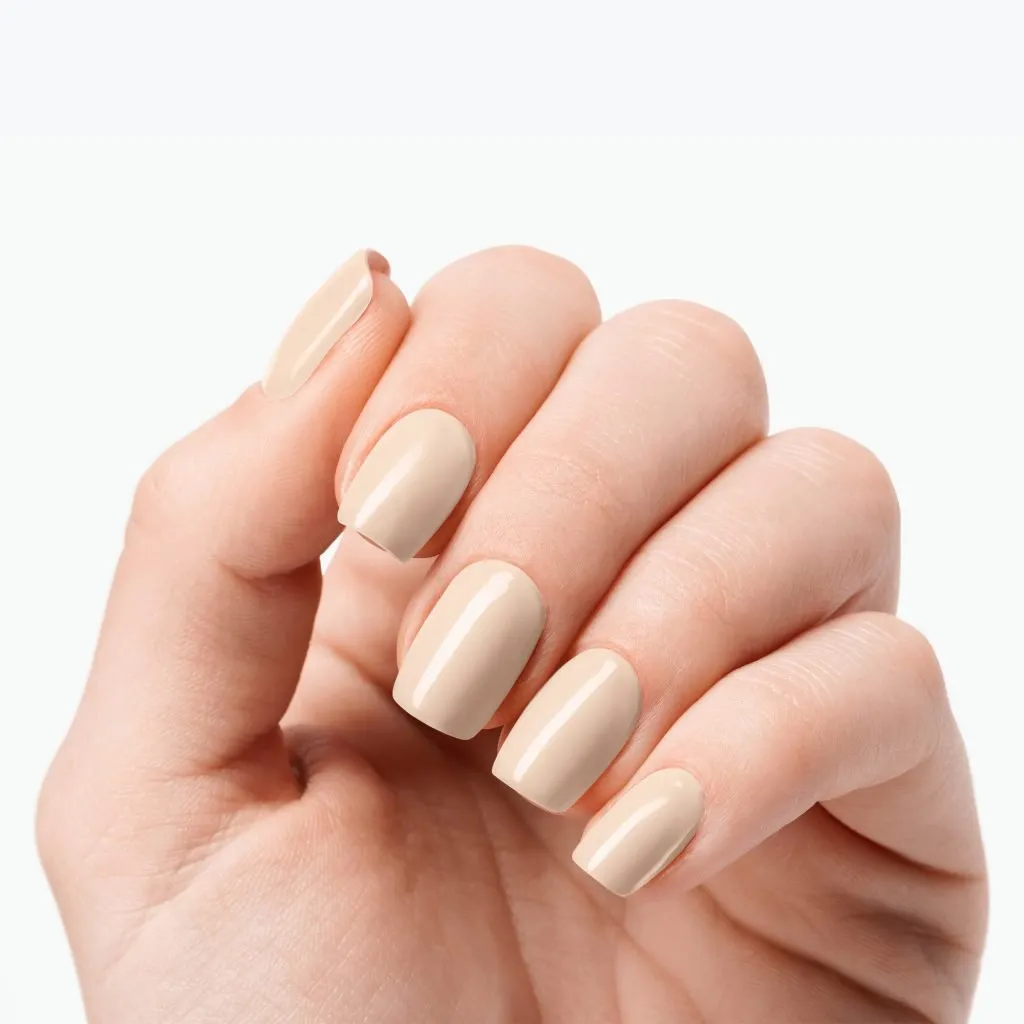
A sheer neutral that evens out the look of ridged or uneven nails without any obvious colour, and grows out without a hard line. See Barely There (Nude).
2. Timeless Taupe
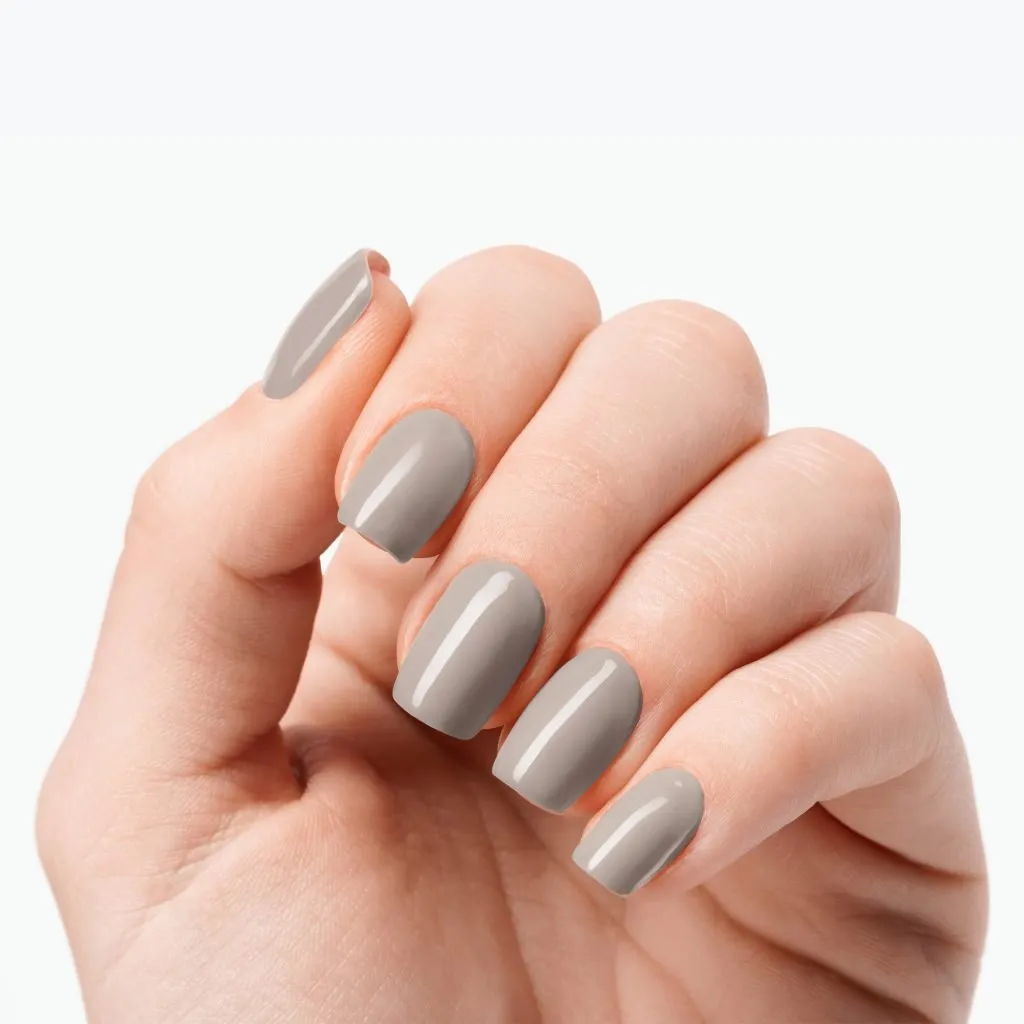
A soft, grown up neutral for anyone who wants a finished look that is understated rather than bold. See Timeless Taupe.
Whatever you wear, keep a cuticle oil pen close by. For nails that are drying out, it does more than anything else on this page.
Quick answers
Can the menopause affect your nails?
Yes. Falling oestrogen affects how much moisture skin and nails hold, so many people find their nails become drier, more brittle, and more prone to peeling, splitting and ridges around the menopause.
How can I strengthen brittle nails during the menopause?
Oil the nails and cuticles daily, wear gloves for washing up and cleaning, file rather than clip, keep nails a little shorter, and remove any manicure gently with oil rather than picking.
Does biotin help brittle nails?
The evidence is thinner than the marketing suggests, and biotin can affect some blood test results. Speak to a pharmacist first, and tell your GP if you take it before a blood test.
When should I see a GP about my nails?
If you notice a dark streak along the nail, a nail lifting from the skin, spoon-shaped nails, pitting, thickening, colour changes, pain or swelling, or any sudden change.
Can I still wear gel nails during the menopause?
Many people do. The key is gentleness: keep product off the skin, oil daily, and remove it slowly with oil rather than picking, which is what does the real damage to fragile nails.
Related reading: strengthening weak nails, peeling and flaky nails and a simple hand care routine.
Like our nail guides?
Add Velvora as a preferred sourceGoogle shows preferred sources more often in Search, AI Overviews and AI Mode. It takes one tap and you can undo it any time in your Google settings.